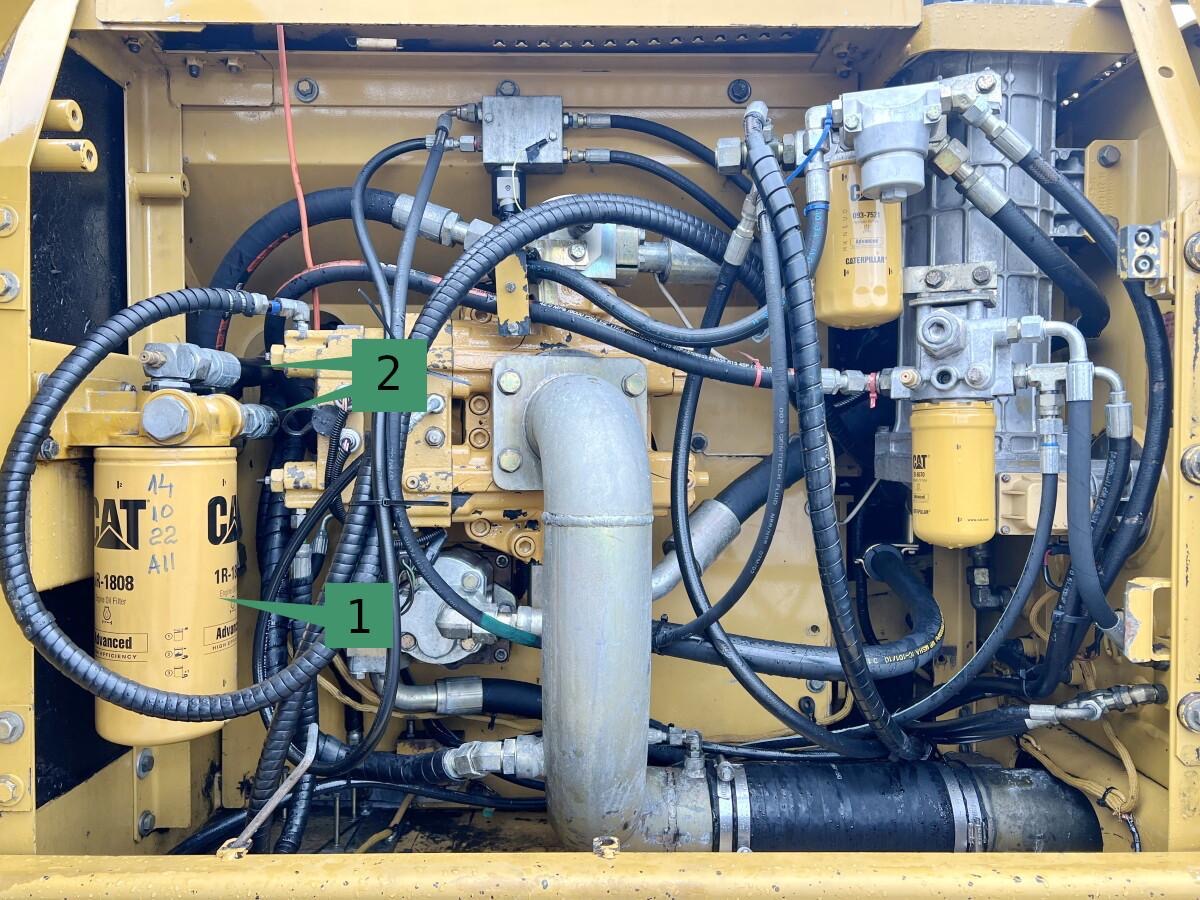
A new guide was published to bc counter info on Heavy Machinery Sabotage.
We are writing this zine as anarchists living in so-called Canada seeking to spread attack against extractive projects of the state and capitalism. We come from an insurrectionary, eco-anarchist, anti-extractivist, and anti-colonial background, and draw inspiration from the methods and tactics employed by eco-saboteurs in the ecological movement in North America through the 1990s and early 2000s. Building off of various monkeywrenching techniques from this era, this zine will focus on updating information around tactics and techniques of sabotage against heavy machinery.
The goal of our experiment was to find a method of sabotage that would be undetectable by our enemies until much later, long after we were gone and the damage was done. This means, in short, without using incendiary or explosive devices, or any kind of obvious visible destructive techniques. While being undetectable, we wanted to find tactics that would cause the maximum amount of damage throughout the whole system of the machine, causing the longest delays and most expensive continuation of the extractive project. We hoped to find an easily replicable, difficult to trace tactic that could be proliferated, especially at sites where there was not yet widespread attack against the project (so as to keep a low profile and not immediately raise the stakes), or at sites which were already attacked and under surveillance (to allow our friends time to escape without suspicion).
We tested a variety of techniques from the ecological movement, as detailed in Earth First! and ALF/ELF manuals, the Monkeywrenching Handbook, and other online resources (see Resources). We wanted to see if these techniques were still applicable, several decades later, as much of the technology around heavy machinery has changed. We applied as close to a scientific method as we could given the circumstances, wanting to be certain our techniques worked. We wanted to be able to share our research with our comrades of a similar mind so that they could take and use these techniques without having to recreate the same months and years of testing and experimentation.
Our goal ultimately is that these techniques, if successful, would be applied to relevant targets. In the context of Canada, which is and always has been an extractive project, extractivism is essential for the economy, state power, nation building, and the war machine. The heavy machines that do the work are tangible, exposed, expensive, and an attack on them has the potential to set a project back directly and significantly. If we’re lucky, we can destroy the machines before they carve open the earth. As anarchists who are against the destruction of nature and for the destruction of the Canadian state, we ground this technical and practical text in a political theory of anarchist direct action.
Ultimately, the techniques we wanted to experiement with failed, which is valuable to know. And we still think there are valuable things that we learned as part of our experimentation, which we want to offer to our friends and comrades. We want to share this information so others don’t need to reinvent the wheel when researching, and to give a basis for understanding what does or doesn’t work. We also welcome being told what we did wrong, or hearing if others found things that worked.